Feline Tooth Resorption: Causes, Symptoms, and Treatment
Cats are well known for hiding discomfort, which makes dental conditions especially challenging to detect early. One of the most common and painful dental diseases seen in cats today is feline tooth resorption. This condition affects a significant percentage of adult cats and often progresses quietly below the gumline before obvious signs appear. Understanding feline tooth resorption helps pet owners recognize why routine dental evaluations matter and why prompt veterinary attention makes a difference.
At Missoula Veterinary Dentistry & Oral Surgery in Missoula, MT, our team sees feline tooth resorption regularly and works closely with pet owners to explain what is happening, how it affects their cat’s comfort, and what treatment options may be recommended. If you have concerns about your cat’s oral health, call (406) 550-3790 to speak with our team.
What Is Feline Tooth Resorption in Cats?
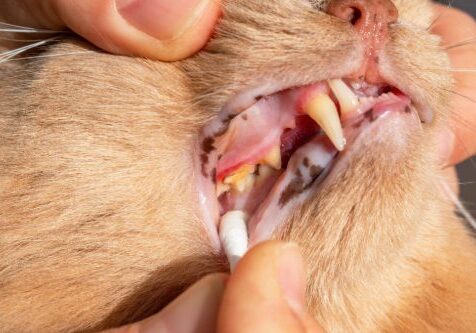
Feline tooth resorption is a progressive dental condition where a cat’s body begins to break down and absorb the structure of a tooth. This process often starts at or below the gumline, which means the damage may not be visible during a casual look at your cat’s mouth. Over time, feline tooth resorption weakens the tooth, exposes sensitive inner layers, and causes significant discomfort.
Many cats with feline tooth resorption continue eating and behaving normally, which can mislead pet owners into thinking everything is fine. The condition does not resolve on its own and typically worsens without professional intervention. Because feline tooth resorption can affect one tooth or multiple teeth at the same time, thorough oral examinations and dental imaging play an important role in identifying the full extent of the disease.
Why Feline Tooth Resorption Is So Common in Cats
Veterinary dental professionals report that feline tooth resorption affects a large portion of adult cats, especially those over the age of five. While researchers continue to study why feline tooth resorption develops, it appears to be linked to how a cat’s body responds to the surface of the tooth. Unlike cavities in people, feline tooth resorption involves the body actively breaking down the tooth from the outside inward. The frequency of feline tooth resorption means that many cats experience some degree of dental pain during their lifetime. Because cats instinctively hide pain, this condition often goes unnoticed until it reaches an advanced stage. This makes routine veterinary dental care an important part of maintaining long-term comfort and oral function for cats.
Causes and Risk Factors Associated With Feline Tooth Resorption
The exact cause of feline tooth resorption remains unknown, but several contributing factors have been identified through clinical observation and research.
Biological Processes Behind Tooth Breakdown
Feline tooth resorption occurs when specialized cells begin dissolving the tooth’s hard tissues. These cells normally help remodel bone, but in cats with feline tooth resorption, they mistakenly target the tooth structure. This abnormal activity leads to gradual loss of enamel, dentin, and sometimes the root of the tooth.
Age and Dental History
Older cats face a higher risk of developing feline tooth resorption, although younger cats can also be affected. Cats with a history of dental disease may experience changes in the mouth that make tooth resorption more likely. Even cats with otherwise healthy appearances can develop this condition without warning.
Inflammation and Oral Environment
Chronic inflammation in the mouth may contribute to feline tooth resorption in some cases. Changes in the oral environment, including how the gums interact with the teeth, may trigger the resorptive process. While these factors do not guarantee the condition will develop, they help explain why feline tooth resorption is so widespread.
Signs and Symptoms of Feline Tooth Resorption
Recognizing the signs of feline tooth resorption can be difficult, especially in the early stages. Many symptoms appear subtle and progress gradually, which is why dental evaluations matter. Cats with feline tooth resorption may show changes in eating habits, such as chewing on one side of the mouth or dropping food. Some cats exhibit increased drooling or visible redness along the gumline. In advanced cases, the affected tooth may appear broken or partially missing. Behavioral changes, including irritability or reduced interest in play, can also occur as discomfort increases. Because feline tooth resorption often causes pain even when external signs are minimal, relying solely on visible symptoms can delay diagnosis. Veterinary dental exams allow professionals to detect problems that are not obvious at home.
How Feline Tooth Resorption Is Diagnosed
Diagnosing feline tooth resorption requires more than a visual inspection. The condition frequently affects areas below the gumline, making advanced diagnostics essential.
Oral Examination Findings
During an oral exam, your veterinarian may notice inflamed gums, gum tissue growing over parts of the tooth, or unusual defects on the tooth surface. These findings often raise suspicion for feline tooth resorption but do not show the full picture.
Dental Imaging and Its Role
Dental radiographs play a critical role in diagnosing feline tooth resorption. Imaging allows veterinary professionals to see changes in the tooth root and surrounding bone that cannot be detected otherwise. This information helps determine how advanced the condition is and which teeth are affected. Accurate diagnosis supports informed treatment planning and helps prevent ongoing discomfort associated with undetected feline tooth resorption.
Treatment Options for Feline Tooth Resorption
Once feline tooth resorption is diagnosed, treatment focuses on addressing the affected teeth and relieving pain. The appropriate approach depends on how severely the tooth has been compromised.
Tooth Extraction as a Common Approach
In many cases, extraction of the affected tooth provides relief and prevents further pain. Because feline tooth resorption destroys the tooth structure, preserving the tooth is often not possible. Veterinary dental specialists use imaging to guide extraction decisions and ensure all affected tissue is addressed.
Managing Multiple Affected Teeth
Some cats experience feline tooth resorption in more than one tooth. Treatment planning considers the overall oral health of the cat and prioritizes comfort and function. Addressing all affected teeth during a dental procedure helps reduce the risk of ongoing discomfort.
Follow-Up and Monitoring
After treatment, ongoing dental monitoring remains important. Cats with a history of feline tooth resorption may develop the condition again in other teeth over time. Regular evaluations help identify changes early and support long-term oral health.
Why Professional Dental Care Matters for Cats
Feline tooth resorption highlights the importance of professional dental care for cats. Because the disease often progresses silently, routine veterinary assessments remain the most reliable way to detect it early. Professional dental care allows veterinarians to evaluate the entire mouth, identify subtle changes, and recommend appropriate next steps. Cats benefit from early detection, as treatment before advanced damage can reduce discomfort and complications. For pet owners in Missoula, access to veterinary dental specialists provides added confidence when managing complex conditions like feline tooth resorption.
Supporting Your Cat’s Oral Health Over Time
While feline tooth resorption cannot always be prevented, awareness and regular veterinary involvement help reduce its impact. Understanding that cats commonly develop this condition encourages proactive dental evaluations rather than waiting for obvious signs of trouble. Working with a veterinary dental team ensures that changes in your cat’s oral health receive timely attention. Monitoring, diagnostics, and treatment planning all contribute to maintaining comfort and quality of life, even for cats affected by feline tooth resorption.
Trusted Care for Feline Tooth Resorption in Missoula, MT
Feline tooth resorption requires experienced evaluation and thoughtful treatment planning. At Missoula Veterinary Dentistry & Oral Surgery, our team focuses on advanced dental diagnostics and surgical care tailored to cats with complex oral conditions. We take time to explain findings, review treatment options, and support pet owners through every step of care. If you have questions about feline tooth resorption or would like to schedule a dental evaluation, call (406) 550-3790 today. Our Missoula-based team is here to help you better understand your cat’s dental health and provide compassionate, professional care.
Recent Posts
About Us
Missoula Veterinary Denistry & Oral Surgery provides advanced dental care that transforms pets’ lives through preventive cleanings, complex surgeries, and compassionate expertise. From Missoula to communities across Montana, Idaho, Washington, and even Canada, we’re proud to help pets live healthier, more comfortable lives.