
Cat Teeth Cleaning: What to Expect and Why It’s Crucial
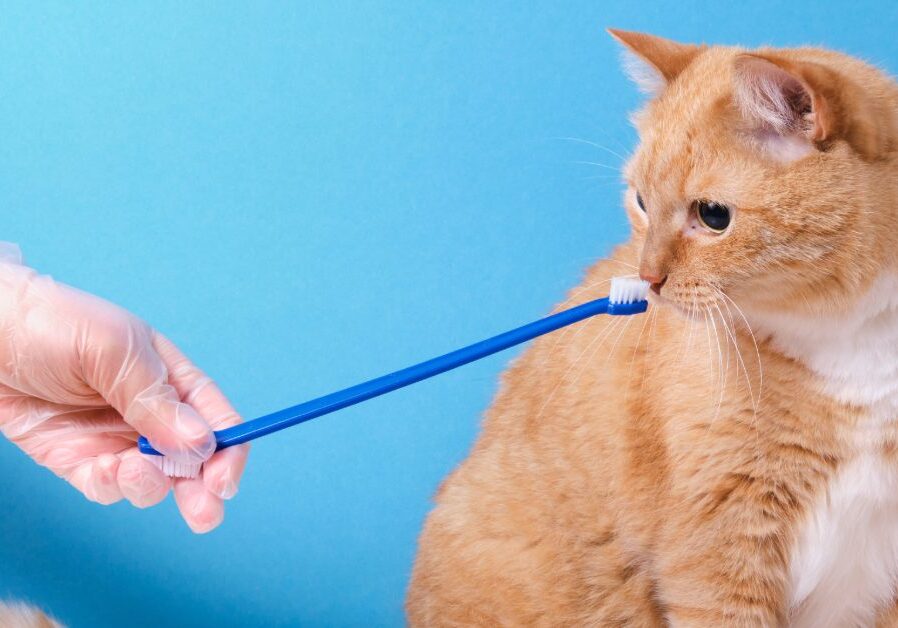
Cat teeth cleaning is one of the most important preventive health measures you can take for your feline companion, and one of the most commonly delayed. A professional cat dental cleaning involves far more than a quick polish. It is a comprehensive procedure performed under general anesthesia that evaluates, cleans, and protects every surface of your cat’s teeth, including the critical areas beneath the gumline where disease begins. If you have questions about what cat teeth cleaning involves, why anesthesia is necessary, or how often it should happen, this guide covers it all.
What Is a Professional Cat Teeth Cleaning?
A professional cat dental cleaning, also called a dental prophylaxis, is a veterinary procedure performed under general anesthesia to remove plaque and tartar from all surfaces of the teeth and to evaluate the full health of the oral cavity. It is not the same as cosmetic scaling done without anesthesia, which cannot safely or effectively clean below the gumline and provides no real health benefit.
Why Does Cat Teeth Cleaning Require Anesthesia?
Cat teeth cleaning requires anesthesia for several important reasons. Cats will not remain still for the procedure, making safe and effective cleaning impossible without sedation. Anesthesia also allows our veterinary team to:
- Place an endotracheal tube to protect the airway from water and debris
- Take full-mouth dental imaging to evaluate tooth roots and bone beneath the gumline
- Safely probe around every tooth to detect hidden periodontal pockets
- Thoroughly clean all tooth surfaces, including those below the gumline
- Perform any necessary extractions or treatments without causing pain or distress
Anesthesia-free dental cleanings for cats (sometimes marketed as an alternative) only address visible tartar above the gumline and provide no diagnostic information. They can also cause significant stress and may give pet owners a false sense that their cat’s dental health has been addressed when it has not.
What Happens During a Cat Dental Cleaning?
Understanding what takes place during your cat’s dental cleaning can help ease any anxiety you feel about the procedure. Here is a step-by-step overview of what to expect.
Pre-Anesthetic Evaluation
Before the cleaning begins, your cat undergoes a physical examination and pre-anesthetic bloodwork to ensure they are healthy enough for anesthesia. This is especially important for older cats or those with known health conditions.
Anesthesia and Monitoring
Once anesthesia is administered, a trained technician continuously monitors your cat’s heart rate, respiratory rate, blood pressure, oxygen levels, and temperature throughout the entire procedure. Modern veterinary anesthesia is very safe when administered and monitored by trained professionals.
Oral Examination and CBCT Scan
With your cat under anesthesia, our veterinary team performs a thorough oral examination and takes full-mouth dental imaging with our CBCT or Cone Beam Computed Tomography. This is one of the most valuable parts of cat teeth cleaning. These images reveal the health of tooth roots and the surrounding bone that cannot be assessed with the naked eye.
Scaling and Cleaning
Ultrasonic and hand scaling instruments remove plaque and tartar from all surfaces of the teeth, including below the gumline (subgingival scaling). This is where periodontal disease starts, and it cannot be adequately addressed without anesthesia.
Polishing and Flushing
After scaling, the teeth are polished to smooth the enamel surface, which slows future plaque adhesion. The mouth is flushed to remove any debris, and a fluoride treatment or dental sealant may be applied.
Treatment of Any Identified Problems
If the examination and CBCT imaging reveal issues such as tooth resorption, periodontal disease, fractured teeth, or other abnormalities, they are addressed at the same appointment when possible. Your cat’s veterinary dentist will walk you through any findings and treatment recommendations.
How Often Does Your Cat Need a Dental Cleaning?
How often a cat needs a professional teeth cleaning depends on individual factors including their age, breed, home care routine, and oral health history. Some cats, particularly certain breeds and those who have already developed dental disease, may benefit from annual cleanings or more frequent monitoring. Others with excellent oral health and consistent home care may go longer between professional cleanings.
At Missoula Veterinary Dentistry & Oral Surgery, our team assesses each patient individually and makes personalized recommendations based on what they find during the examination. There is no one-size-fits-all answer to how often cat teeth cleaning should happen, but skipping it entirely is never the right choice.
The Risks of Skipping Cat Dental Cleanings
When professional cat teeth cleaning is delayed or skipped, dental disease progresses unchecked. Plaque mineralizes into tartar, gingivitis advances to periodontitis, and the structures supporting the teeth are gradually destroyed. The most common consequences of neglected feline dental care include:
- Chronic oral pain that affects eating, grooming, and quality of life
- Tooth loss from advanced periodontal disease or tooth resorption
- Feline stomatitis which is a severe inflammatory condition requiring aggressive treatment
- Oral tumors that go undetected without regular examination
- Systemic health effects linked to chronic oral infection
Most cats with dental disease show no obvious signs of pain, which means owners often do not realize there is a problem until it is significantly advanced.
Home Care Between Professional Cat Dental Cleanings
Professional cleanings are essential, but what happens between appointments also matters. Daily tooth brushing with a veterinary-approved toothpaste is the most effective at-home tool for slowing plaque accumulation between cat dental cleanings. Dental treats, gels, and water additives carrying the VOHC seal can supplement brushing but should not replace it.
Starting home dental care early and working gradually to make it a positive experience gives your cat and you the best chance of success. A veterinary dental specialist can show you the most effective techniques for your individual cat.
Choosing the Right Team for Your Cat’s Dental Care
Cat teeth cleaning performed by a board-certified veterinary dentist offers the highest level of expertise, diagnostic capability, and treatment options available. At Missoula Veterinary Dentistry & Oral Surgery in Missoula, MT, our team specializes in comprehensive feline dental care, from routine professional cleanings to advanced oral surgery. Every cleaning includes a thorough examination, dental imaging, and personalized care recommendations to keep your cat’s mouth healthy for years to come.
If your cat has not had a recent dental evaluation, or if you have noticed any signs of oral discomfort, call Missoula Veterinary Dentistry & Oral Surgery at (406) 550-3790 today. Proactive dental care is one of the most meaningful investments you can make in your cat’s health and quality of life.
Recent Posts
About Us
Missoula Veterinary Denistry & Oral Surgery provides advanced dental care that transforms pets’ lives through preventive cleanings, complex surgeries, and compassionate expertise. From Missoula to communities across Montana, Idaho, Washington, and even Canada, we’re proud to help pets live healthier, more comfortable lives.