Causes for Jaw Fractures in Dogs
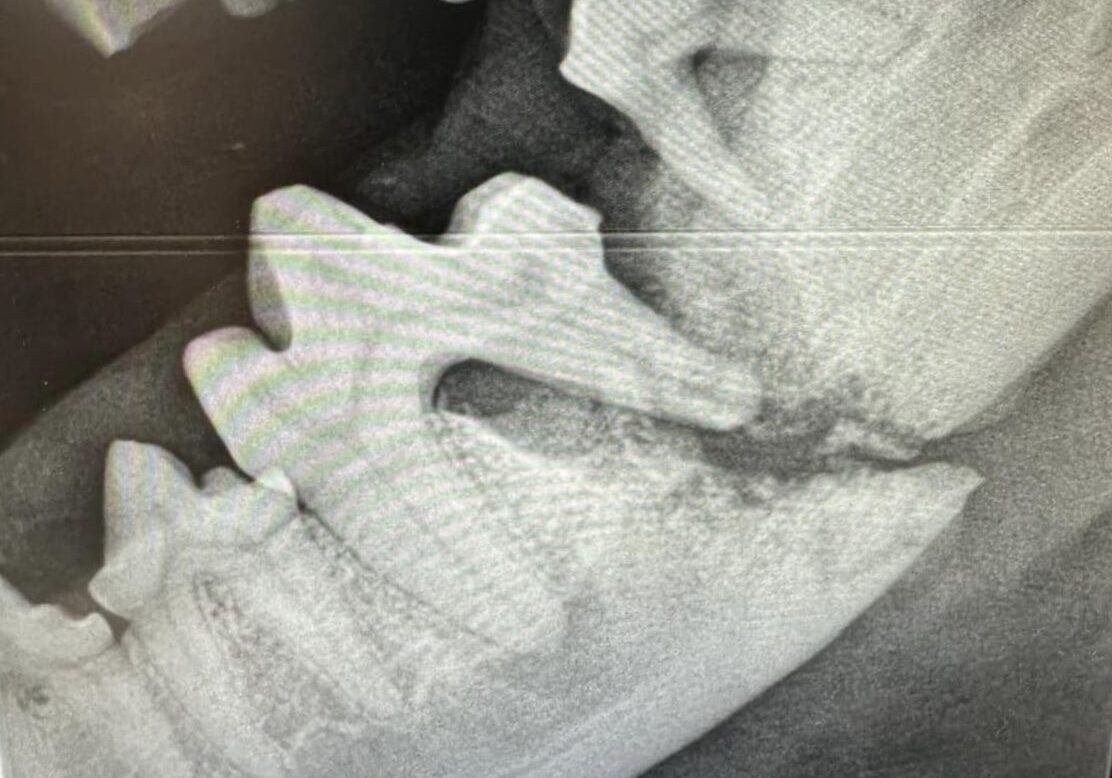
Jaw injuries can be alarming for any pet owner, especially when they affect a dog’s ability to eat, drink, or comfortably interact with their surroundings. Jaw fractures in dogs often occur suddenly and may not always have an obvious cause at first glance. At Missoula Veterinary Dentistry & Oral Surgery in Missoula, MT, our team regularly treats complex oral and facial injuries, including jaw fractures in dogs. This blog explores the most common causes of these fractures, explains why certain dogs may face higher risk, and highlights why prompt evaluation by a veterinary dental specialist is so important. If your dog experiences trauma involving the mouth or face, call (406) 550-3790 to speak with our team.
Traumatic Injuries as a Leading Cause of Jaw Fractures in Dogs
Trauma remains the most common reason veterinarians diagnose jaw fractures in dogs. The jaw bones, while strong, can fracture when exposed to sudden force or impact. These injuries often happen unexpectedly and may involve situations that occur during everyday activities.
Motor Vehicle Accidents
Car-related injuries represent a significant source of jaw fractures in dogs, particularly for dogs that are not restrained during travel or that escape a yard or leash. The force generated during a collision can transfer directly to the head and face, resulting in fractures of the mandible or maxilla. Even low-speed impacts can cause serious damage because of the delicate structure of the jaw and surrounding teeth. Dogs involved in vehicle accidents often sustain multiple injuries, making oral trauma easy to overlook without a thorough examination.
Falls From Heights
Falls are another frequent contributor to jaw fractures in dogs, especially in smaller breeds or dogs with limited bone density. A fall from stairs, furniture, or elevated surfaces can cause the jaw to strike a hard object at an awkward angle. Puppies and senior dogs may face increased risk due to coordination challenges or age-related changes in bone strength. These injuries may appear subtle initially, yet fractures can significantly affect comfort and function.
Blunt Force Trauma
Blunt trauma from accidental impacts, such as being struck by a door, furniture, or heavy object, can also lead to jaw fractures in dogs. In multi-pet households, rough play or collisions during high-energy activity may result in facial injury. Even well-meaning interactions can cause harm if a dog’s mouth absorbs the force of impact.
Dental Disease and Bone Weakness Linked to Jaw Fractures in Dogs
While trauma often draws the most attention, underlying dental disease plays a major role in many cases of jaw fractures in dogs. Chronic oral conditions can weaken the jawbone over time, making it more susceptible to fracture during routine activities.
Advanced Periodontal Disease
Severe periodontal disease is a common yet overlooked cause of jaw fractures in dogs, particularly in small and toy breeds. Long-term infection and inflammation around the teeth can erode the bone that supports them. As the bone weakens, even mild pressure, such as chewing or normal play, can result in a fracture. In some cases, the fracture may occur during routine dental procedures because the jaw has already lost significant structural support.
Tooth Root Infections
Infections that extend deep into the tooth roots can compromise the surrounding bone and increase the likelihood of jaw fractures in dogs. These infections may progress slowly and remain unnoticed until a fracture occurs. Dogs with untreated oral infections often experience changes in eating behavior or facial sensitivity before a more serious injury develops.
Small Breed Predisposition
Toy and small breed dogs face a higher risk of dental-related jaw fractures in dogs due to the close spacing of teeth and thinner jawbones. Over time, chronic dental disease can affect a large portion of the jaw structure. This makes professional dental monitoring especially important for these breeds.
Chewing Behavior and Jaw Fractures in Dogs
Chewing comes naturally to dogs, yet certain behaviors increase the risk of jaw fractures in dogs, especially when combined with underlying dental issues or excessive force.
Hard Objects and Improper Chewing
Chewing on extremely hard objects places excessive stress on the jaw and teeth. While dogs enjoy gnawing, repeated force against rigid surfaces can contribute to cracks or fractures in the jawbone. Dogs that chew aggressively or have strong bite pressure may face a higher risk, particularly if their oral health is already compromised.
Sudden Resistance During Play
Tug-of-war and similar games may appear harmless, yet sudden resistance or abrupt pulling can lead to jaw fractures in dogs. Twisting motions place uneven pressure on the jaw, which can cause injury when the force exceeds the bone’s tolerance. These fractures may occur quickly and without visible external wounds.
Bite Wounds and Jaw Fractures in Dogs
Dog bites represent another serious cause of jaw fractures in dogs, especially when the injury involves the face or mouth. Even when the skin appears intact, the force behind a bite can damage the underlying bone.
Inter-Dog Altercations
Fights between dogs can result in crushing injuries to the jaw. The pressure exerted during a bite may fracture the mandible or maxilla, particularly in smaller dogs bitten by larger ones. Bite-related jaw fractures in dogs often involve additional soft tissue trauma, which can complicate diagnosis and treatment.
Wildlife Encounters
Encounters with wildlife also pose a risk for jaw fractures in dogs. Defensive bites from animals such as raccoons or coyotes can generate enough force to damage facial bones. These injuries may involve contamination and require specialized veterinary care.
Age-Related Factors and Jaw Fractures in Dogs
A dog’s age can influence the likelihood of developing jaw fractures in dogs, with both young and senior dogs facing unique challenges.
Puppies and Developing Bones
Puppies have growing bones that may not yet possess full strength. Accidental trauma during play or exploration can result in fractures if the jaw absorbs excessive force. Early injuries may affect proper development if not addressed promptly by a veterinary professional.
Senior Dogs and Bone Density Changes
Senior dogs may experience changes in bone density over time, making them more vulnerable to jaw fractures in dogs. Combined with long-standing dental disease or previous oral infections, age-related weakening increases the likelihood of fracture during normal activity.
Tumors and Pathologic Jaw Fractures in Dogs
Not all jaw fractures in dogs result from trauma or chewing. Some fractures occur because disease processes weaken the bone from within.
Oral Tumors and Bone Integrity
Oral tumors can invade the jawbone, compromising its strength and structure. As the bone weakens, even minimal stress may lead to a fracture. These pathologic jaw fractures in dogs often develop gradually and may accompany swelling, changes in bite alignment, or difficulty using the mouth.
Cysts and Other Bone Lesions
Certain cysts or lesions within the jaw can erode bone over time. When structural support decreases, fractures may occur without a significant external event. Identifying these conditions early requires advanced imaging and dental expertise.
Why Professional Evaluation Matters for Jaw Fractures in Dogs
Because jaw fractures in dogs can arise from so many different causes, professional evaluation plays a vital role in accurate diagnosis. Some fractures remain hidden beneath the surface and may not cause obvious bleeding or swelling at first. Dental radiographs and advanced imaging allow veterinary specialists to identify the location and severity of the fracture.
At Missoula Veterinary Dentistry & Oral Surgery, our team focuses exclusively on oral health and facial injuries. We understand how complex jaw fractures in dogs can be and why each case requires careful assessment. If your dog experiences facial trauma, oral pain, or sudden changes in eating behavior, contact our Missoula, MT office at (406) 550-3790 to schedule an evaluation.
Recent Posts
About Us
Missoula Veterinary Denistry & Oral Surgery provides advanced dental care that transforms pets’ lives through preventive cleanings, complex surgeries, and compassionate expertise. From Missoula to communities across Montana, Idaho, Washington, and even Canada, we’re proud to help pets live healthier, more comfortable lives.