What Causes Discolored Teeth in Dogs?
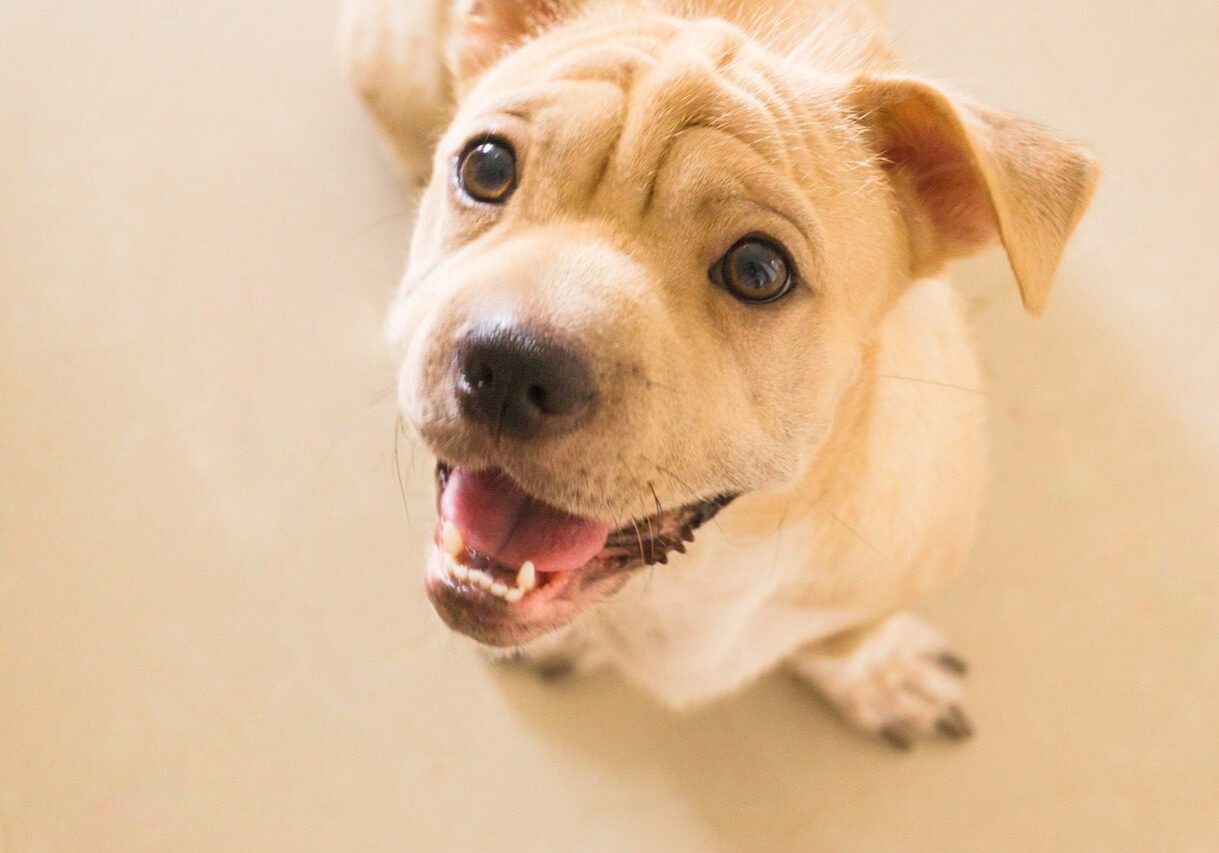
One common concern we hear from pet owners is noticing yellow, brown, gray, or pink changes in their dog’s teeth. Discolored teeth in dogs are most often caused by plaque and tartar buildup, aging, trauma, diet, or underlying medical conditions. While some discoloration is cosmetic, changes in tooth color can also signal dental disease or injury that should be evaluated by your veterinarian. Discolored teeth can indicate several underlying issues that may require veterinary attention. Our Board-Certified Veterinary Dentist will explain the most common causes of discolored teeth in dogs.
Primary Causes of Discolored Teeth in Dogs
Dental Plaque and Tartar
Plaque is a sticky film of bacteria that forms on teeth. When plaque hardens and mineralizes, it becomes tartar (or calculus), which appears as a yellow or brown substance on the teeth. Tartar buildup not only discolors teeth but also contributes to gum disease and dental decay if left untreated.
Dietary Factors
Certain foods and treats, particularly those high in pigments like dyes or artificial colors, can stain teeth over time. Additionally, diets lacking in proper dental care components, such as abrasive foods or dental chews, may contribute to plaque and tartar buildup, leading to discoloration.
Trauma or Injury
Trauma to the teeth, such as fractures or chips, can expose the inner layers of the tooth, leading to discoloration. Trauma may also cause internal bleeding within the tooth (pulp hemorrhage), which can manifest as a pink or gray discoloration.
Age-Related Changes
As dogs and cats age, their teeth may naturally darken or yellow. This is often due to gradual wear and tear on the enamel, which can expose the underlying dentin, a naturally yellowish substance in teeth. Aging pets may also be more prone to dental diseases that contribute to discoloration.
Medical Conditions
In some cases, medical conditions such as certain systemic infections or metabolic disorders can affect the coloration of teeth. These conditions may disrupt normal enamel formation or contribute to changes in dental pigmentation. Along with that, heavy medication use such as antibiotics at a young age can cause discoloration.
Environmental Factors
Environmental factors such as exposure to certain chemicals, medications, or water sources with high mineral content can impact the color of teeth over time. These factors may lead to staining or discoloration that varies in intensity.
Treating Discolored Dog Teeth
Veterinary Examination
Schedule regular dental examinations with your veterinarian. They can assess your pet’s dental health, perform cleanings to remove tartar, and recommend appropriate treatments if dental diseases are present.
Treatment of Underlying Issues
Schedule regular dental examinations with your veterinarian. They can assess your pet’s dental health, perform cleanings to remove tartar, and recommend appropriate treatments if dental diseases are present.
Frequently Asked Questions About Discolored Teeth in Dogs
Are yellow or brown teeth always a problem?
Not always, but yellow or brown buildup usually indicates plaque or tartar. Left untreated, this can lead to gum disease and tooth loss.
Can a gray or pink tooth heal on its own?
A gray or pink tooth often signals trauma or internal damage and should be evaluated by your veterinarian. These teeth frequently require treatment.
Do puppies get discolored teeth?
Discoloration in young dogs may occur due to trauma, illness, or medication exposure during tooth development and should be assessed promptly.
Can dental chews remove tooth discoloration?
Dental chews may help reduce plaque on the tooth surface but cannot remove hardened tartar or treat underlying dental disease.
Board-Certified Veterinary Dentist in Missoula
By understanding the causes of discolored teeth in dogs and cats and taking proactive steps to maintain their dental health, you can help ensure that your pet enjoys a healthy smile and improved overall well-being for years to come. Contact our office and book a consultation with our Board-Certified Veterinary Dentist for personalized advice and recommendations regarding your pet’s dental care needs.
Recent Posts
About Us
Missoula Veterinary Denistry & Oral Surgery provides advanced dental care that transforms pets’ lives through preventive cleanings, complex surgeries, and compassionate expertise. From Missoula to communities across Montana, Idaho, Washington, and even Canada, we’re proud to help pets live healthier, more comfortable lives.