Can Dogs and Cats Eat Without Any Teeth?
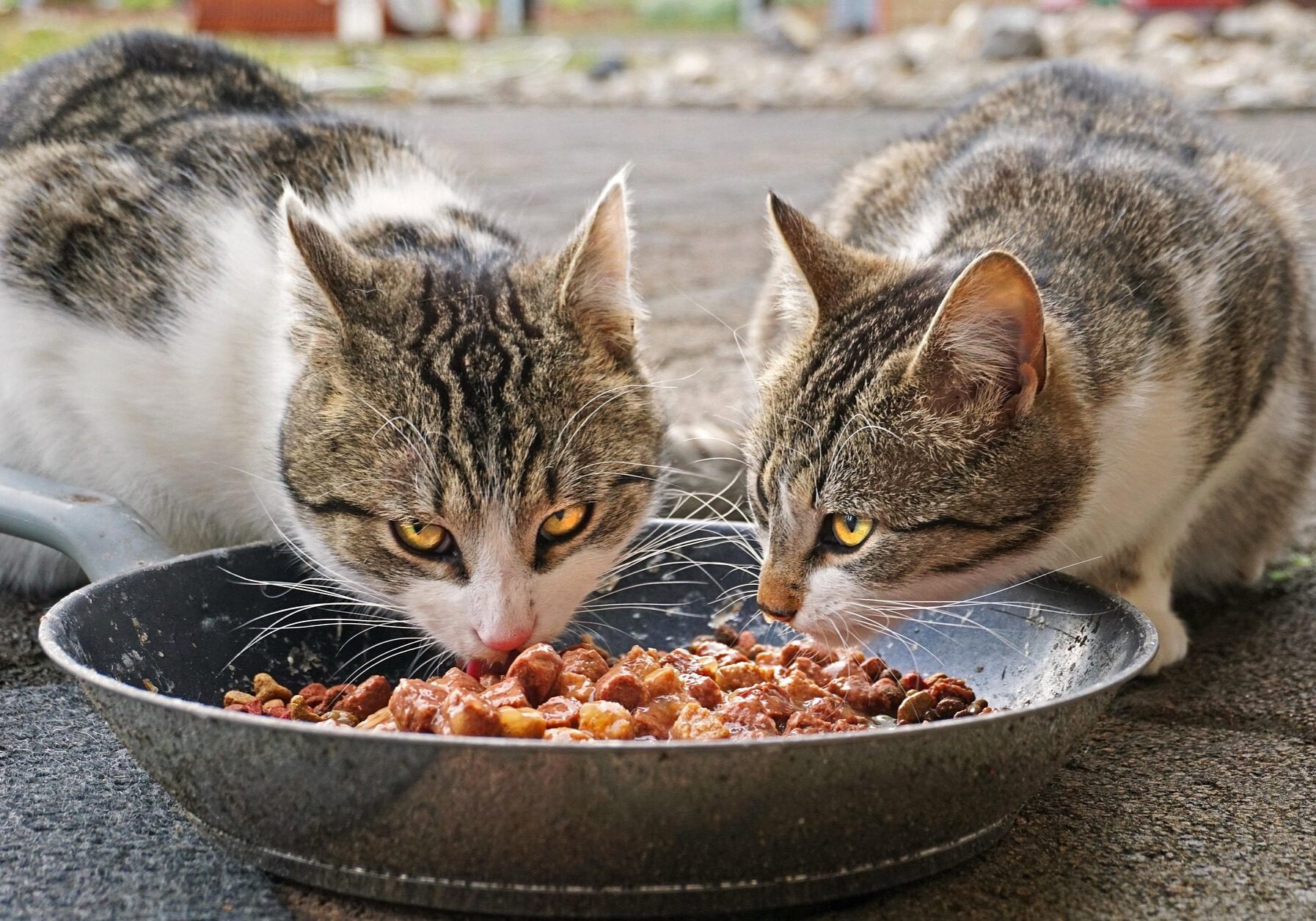
Losing teeth is a common concern for pets, especially as they age. Dogs and cats may experience tooth loss due to dental disease, trauma, or other health issues. As pet owners, one of the most pressing questions we often have is whether our beloved animals can still eat without any teeth. The good news is that both dogs and cats can continue to eat and thrive even if they lose all their teeth, though their dietary needs and eating habits may need to be adjusted.
Understanding Tooth Loss in Pets
Tooth loss in pets is often a result of periodontal disease, which is common in both dogs and cats, particularly in older animals. It can lead to gum inflammation, tooth decay, and eventually, tooth loss. Trauma from accidents or injuries can also cause teeth to be knocked out, though this is less common. In some cases, pets may need to have their teeth extracted due to health concerns, such as severe infection or disease. While tooth loss can be alarming, it’s important to understand that many pets can still live comfortably without their teeth.
How Do Dogs Eat Without Teeth?
Dogs are primarily carnivorous, but their diet can be quite flexible. Even without teeth, most dogs can adapt and continue to eat without difficulty. Many dogs have even been known to return to hard kibble diets because this is the dog’s preference.
Chewing and Grinding with Gums
Dogs have strong jaws, and although they rely on their teeth to chew food, they can often manage to grind soft food with their gums. Just like humans, dogs’ gums are capable of exerting force to break down softer foods. Without teeth, your dog might switch to a more “mushing” or “gnawing” style of eating, which is still effective for consuming food.
Food Modifications
If your dog has lost all their teeth, you might need to modify their diet. Switching to soft food, wet food, or a softened version of their regular dry kibble (by soaking it in water or broth) can make eating easier. There are also commercially available senior or soft diets formulated specifically for pets with dental issues. Additionally, you can feed your dog pureed food or lightly cooked meats that are easy to swallow and chew with their gums.
Maintaining Nutrition
Even without teeth, your dog can still maintain a balanced diet. It’s essential to ensure the food you provide is nutritionally complete. Pet food companies offer a variety of soft, wet food options that contain all the necessary nutrients, and you can consult your veterinarian for guidance on the best foods for a toothless dog.
How Do Cats Eat Without Teeth?
Cats, like dogs, also rely on their teeth to chew and break down food. However, their ability to adapt to tooth loss depends on several factors, including the type of food they are offered and their general health.
Gums as Grinders
Cats have sharp teeth for cutting meat, but much of their chewing is done using the back molars, which can grind food. Without teeth, cats may have a harder time eating harder foods, but they can still manage to eat soft food with their gums. Much like dogs, cats can adapt to this new way of eating, although they may take a little longer to finish meals.
Food Adjustments
For a cat with no teeth, wet food is often the best option. Wet food is soft and easy to swallow, and it doesn’t require chewing. Many pet owners with toothless cats choose to feed them canned food or prepare homemade meals that are soft and easy to digest. You may need to avoid dry kibble entirely, as it can be difficult for a toothless cat to eat and may cause digestive issues if they aren’t able to break it down properly.
Special Considerations for Cats
It’s important to ensure that a toothless cat still receives adequate protein and nutrition. Cats are obligate carnivores, meaning they require a diet that is rich in animal protein. Soft, high-protein wet food is ideal, and your vet can help you choose the right food based on your cat’s health status. Regular monitoring and adjustments to their diet may be necessary to maintain their health.
Conclusion
Both dogs and cats can continue to eat without teeth, though their eating habits and the type of food they consume may need to be adjusted. While they may no longer be able to chew hard kibble or bones, with the right diet, pets can maintain a healthy and enjoyable life after tooth loss. Providing soft, moist, and nutritionally balanced food is key to ensuring your toothless pet can continue eating comfortably.
If your pet is facing tooth loss, consult your veterinarian or pet dentist to determine the best course of action to support their health and ensure they continue receiving all the nutrients they need. With the right care, dogs and cats can adapt to life without teeth and enjoy their meals.
Images used under creative commons license – commercial use (03/24/2025) Image by Florian Bollmann from Pixabay
Recent Posts
About Us
Missoula Veterinary Denistry & Oral Surgery provides advanced dental care that transforms pets’ lives through preventive cleanings, complex surgeries, and compassionate expertise. From Missoula to communities across Montana, Idaho, Washington, and even Canada, we’re proud to help pets live healthier, more comfortable lives.