What Is an Oral Exam Under Anesthesia and Why Is It Important for Pets?
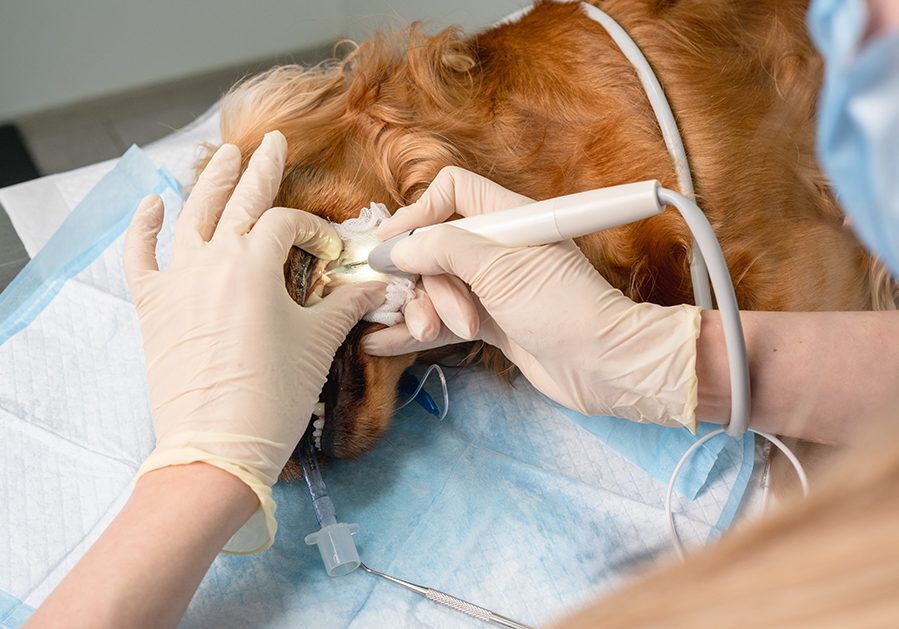
If you’re wondering, “What is an oral exam under anesthesia and why is it important for pets?” an oral exam under anesthesia is a complete evaluation of your pet’s mouth, teeth, and gums performed while your dog or cat is safely asleep. This allows your veterinary team to probe every tooth, take full-mouth dental X-rays, and find problems hidden below the gumline. It’s important for pets because most dental disease can’t be seen or diagnosed while an animal is awake.
Many pet owners are surprised to learn how much of their pet’s dental health sits out of view. A quick look at the front teeth during a wellness visit can reveal tartar or red gums, but it can’t show loose roots, deep pockets of infection, or a fractured tooth tucked at the back of the jaw. Dogs and cats also won’t open wide and hold still while someone measures each tooth. At Missoula Veterinary Dentistry in Missoula, MT, an oral exam under anesthesia is the foundation of every dental treatment plan we create. This blog covers what happens during the procedure, what it can uncover, and why it matters so much for your pet’s comfort and long-term health.
What Happens During an Oral Exam Under Anesthesia?
An oral exam under anesthesia follows a careful, step-by-step process designed to keep your pet safe while giving your veterinary team a complete picture of the mouth.
Preparing for Anesthesia
Before the exam, your veterinarian reviews your pet’s medical history and performs a physical exam. Pre-anesthetic bloodwork helps identify issues with organ function that could affect how your pet handles anesthesia. Senior pets or those with heart or kidney concerns may need additional testing. This information allows the team to choose the safest anesthetic plan for your individual dog or cat.
The Evaluation Itself
Once your pet is asleep, a breathing tube protects the airway, and a trained team member monitors vital signs throughout the procedure. A typical oral exam under anesthesia includes:
- Inspecting the lips, cheeks, tongue, palate, tonsils, and throat for abnormal tissue
- Measuring the gum pocket around each tooth with a periodontal probe
- Checking every tooth for mobility, fractures, wear, and enamel defects
- Recording all findings on a detailed dental chart
- Taking full-mouth dental radiographs to assess roots and jawbone
Why Dental X-Rays Are Essential
The crown you can see above the gumline is only part of the story. Each tooth has roots anchored deep in the jaw, and many serious problems begin there. Full-mouth X-rays reveal bone loss, root infections, retained root fragments, and teeth that are slowly being reabsorbed. Without radiographs, these conditions often go undetected until they cause significant pain.
After the exam, your veterinarian uses the charting and X-rays to recommend treatment. Many practices complete cleaning and any needed procedures during the same anesthetic event, which means fewer separate visits for your pet.
What Can an Anesthetized Oral Exam Find That a Regular Exam Cannot?
An awake exam gives a helpful snapshot, but it misses a great deal. Research in veterinary dentistry has shown that dental X-rays reveal clinically important problems in a large share of pets whose teeth looked fairly normal on the surface.
Hidden Problems Below the Gumline
Here are some of the conditions an anesthetized oral exam commonly detects:
- Periodontal pockets: spaces between the gum and tooth where bacteria collect and destroy supporting bone
- Tooth resorption: a painful condition, especially common in cats, where the tooth structure breaks down from the inside
- Root abscesses: infections at the tip of a root that may not cause visible swelling
- Unerupted or missing teeth: teeth that never came in properly and can form cysts in the jaw
- Fractured roots: breaks below the gumline that can’t be seen on the crown
- Early oral masses: small growths in areas owners and awake exams rarely reach
Pets Hide Mouth Pain Well
Dogs and cats rarely stop eating because of dental pain. Their survival instincts push them to keep going, even when a tooth is infected or broken. As a result, the absence of obvious symptoms doesn’t mean your pet’s mouth is healthy. An oral exam under anesthesia takes the guesswork out of the equation and finds problems before your pet has to live with them for months or years.
Why Early Answers Matter
Finding dental disease early often changes what treatment looks like. A tooth with mild bone loss may respond to cleaning and closer monitoring, while the same tooth discovered years later may need extraction. A small fracture caught soon after it happens may still be a candidate for a root canal. In this way, an oral exam under anesthesia isn’t just a diagnostic step. It’s one of the most practical ways to protect your pet’s comfort, preserve healthy teeth, and avoid more involved procedures down the road.
Is Anesthesia Safe for a Pet’s Dental Exam?
Concern about anesthesia is one of the most common reasons owners delay dental care, and it’s an understandable worry. Modern veterinary anesthesia, however, is far safer than many people realize.
How Veterinary Teams Reduce Risk
Safety starts with the pre-anesthetic workup and continues through recovery. During the procedure, team members track heart rate, blood pressure, oxygen levels, carbon dioxide levels, and body temperature. Pets receive IV fluids, warming support, and pain management tailored to their needs. Anesthetic protocols are customized for age, size, breed, and health status, so a senior cat and a young Labrador won’t receive the same plan.
The Limits of Anesthesia-Free Dental Cleaning
Some owners consider anesthesia-free cleanings as an alternative. These services scrape tartar from visible tooth surfaces but can’t clean below the gumline, probe for pockets, or take X-rays. The American Veterinary Dental College does not recommend them because they can give a false sense of security while disease continues underneath. For a complete and accurate assessment, an oral exam under anesthesia remains the standard of care. Your veterinarian will discuss your pet’s specific risk factors and answer any questions before scheduling the procedure. Open communication helps you feel confident in the plan.
How Often Does Your Pet Need an Oral Exam Under Anesthesia?
The right schedule depends on your pet’s age, breed, and dental history. Most adult dogs and cats benefit from an anesthetized oral evaluation about once a year, while others need more frequent attention.
Pets That May Need More Frequent Exams
Small and toy breed dogs, such as Yorkshire terriers, Chihuahuas, and dachshunds, tend to develop periodontal disease earlier and more aggressively. Brachycephalic breeds often have crowded or rotated teeth that trap debris. Cats with a history of tooth resorption or gum inflammation may also need closer monitoring. Your veterinary team will recommend a timeline based on what they see during each oral exam under anesthesia.
Regular evaluations also create a record that makes it easier to spot changes over time. Comparing X-rays from one year to the next helps your veterinarian catch subtle bone loss or new lesions early, when treatment is typically simpler.
Signs Your Pet May Be Due Sooner
Some changes at home suggest your pet shouldn’t wait for the next scheduled visit. Persistent bad breath, bleeding gums, pawing at the face, dropping food, or reluctance to chew on toys can all point to discomfort. A broken or discolored tooth, swelling along the jaw, or a new lump in the mouth also deserves prompt attention. When you notice any of these changes, contact your veterinary team to discuss whether an oral exam under anesthesia should happen sooner than planned. Early evaluation gives your pet the best chance of a straightforward fix.
Schedule an Oral Exam Under Anesthesia for Your Pet in Missoula
An oral exam under anesthesia gives you a clear, accurate view of your pet’s dental health that no awake exam can match. It uncovers hidden pain, guides treatment decisions, and helps your dog or cat stay comfortable for years to come. If your pet hasn’t had a thorough dental evaluation recently, or if you’ve noticed bad breath, red gums, or changes in chewing, now is a great time to schedule one.
Our team at Missoula Veterinary Dentistry provides comprehensive dental evaluations for dogs and cats throughout Missoula and western Montana. We’ll explain each step, share your pet’s X-rays and dental chart with you, and build a treatment plan that fits your pet’s needs. To book an appointment or ask about a referral from your family veterinarian, call us at (406) 550-3790.
Recent Posts
About Us
Missoula Veterinary Denistry & Oral Surgery provides advanced dental care that transforms pets’ lives through preventive cleanings, complex surgeries, and compassionate expertise. From Missoula to communities across Montana, Idaho, Washington, and even Canada, we’re proud to help pets live healthier, more comfortable lives.