Does My Dog Need a Root Canal or a Tooth Extraction?
Whether your dog needs a root canal or a tooth extraction depends on which tooth is damaged, how much healthy structure remains, and whether the root and surrounding bone are still strong. A root canal can often save a fractured or infected tooth with healthy roots, while an extraction is usually the better option for teeth weakened by advanced periodontal disease or severe damage below the gumline.
Broken teeth are more common in dogs than most owners realize. Chewing on bones, antlers, hard nylon toys, or even kennel bars can crack the enamel and expose the sensitive pulp inside. Since dogs are experts at hiding discomfort, many families don’t notice a problem until a veterinarian spots it during an exam. At Missoula Veterinary Dentistry in Missoula, MT, we help pet owners understand both treatment paths so they can make a confident, informed choice. If you’re asking yourself, “Does my dog need a root canal or tooth extraction?” this blog walks you through the signs, the trade-offs, and what to expect from a dental evaluation.
What Are the Signs That My Dog May Need a Root Canal?
The most common reason a dog needs a root canal is a fractured tooth that exposes the pulp, the living tissue at the center of the tooth that contains nerves and blood vessels. Once bacteria reach the pulp, infection and inflammation can spread down to the root tip and into the jawbone. Spotting the warning signs early helps you find out sooner whether your dog needs a root canal or tooth extraction.
Changes You Can See in the Mouth
Some warning signs are visible if you take a close look at your dog’s teeth. Watch for these clues:
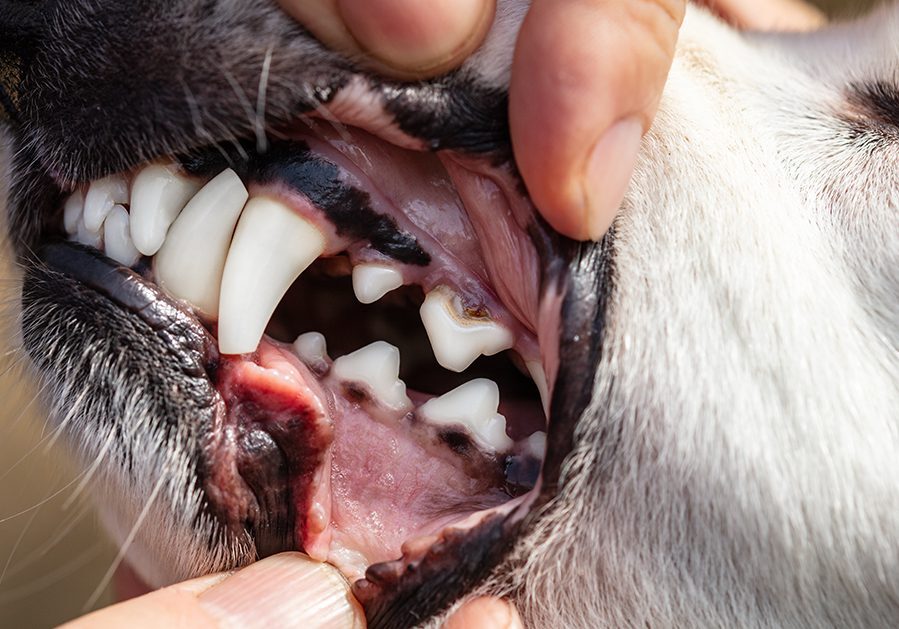
- A chipped or broken tooth, especially one of the large canine teeth or the big upper chewing teeth near the back of the mouth
- A pink, red, or dark spot in the center of a broken tooth surface
- A tooth that looks gray, purple, or brown compared to its neighbors, which can signal that the pulp has died
- Swelling below the eye or along the jawline
- A draining tract or pimple-like bump on the gums or face
Behavior Changes That Point to Dental Pain
Many dogs with damaged teeth keep eating normally, which is why dental pain often goes unnoticed. Still, subtle shifts in behavior can hint at a problem. Your dog might chew on only one side of the mouth, drop food, lose interest in favorite chew toys, paw at the face, or become head shy when you touch near the muzzle. Some dogs simply seem quieter or less playful.
A discolored tooth deserves special attention. Research in veterinary dentistry has shown that the large majority of discolored teeth in dogs have a dead or dying pulp, even when the tooth looks intact. These teeth can harbor infection without obvious symptoms. Any of these signs means it’s time to find out whether your dog needs a root canal or tooth extraction, because neither problem resolves on its own.
Is a Root Canal Better Than Pulling My Dog’s Tooth?
If you’re weighing whether your dog needs a root canal or tooth extraction, start with this: a root canal is not automatically better than an extraction, but it offers real advantages when the tooth is a good candidate for saving. Both procedures remove the source of pain and infection, so the right choice comes down to the individual tooth and your dog’s overall health.
Why Saving the Tooth Can Pay Off
During a root canal, your veterinary dentist removes the infected or dead pulp, disinfects and shapes the canal, and seals it with a filling material. The tooth stays in place and continues to do its job. This approach tends to be less invasive than surgically removing a large, deeply rooted tooth, which can require cutting into bone and closing the gum with sutures. Preserving the tooth also maintains the strength of the jaw and the function of key chewing and gripping teeth. For working dogs, sporting breeds, and active companions, that functional benefit can matter a great deal.
When Extraction Makes More Sense
Extraction is a safe, effective, and permanent solution, and many dogs eat and play normally after losing a tooth. Your veterinarian may recommend removing the tooth instead of treating it when:
- Periodontal disease has destroyed much of the bone supporting the tooth
- The fracture extends well below the gumline or splits the root
- The tooth is small and plays a minor role in chewing
- The root has resorbed or shows significant structural damage on X-rays
- Cost, travel distance, or follow-up visits are not practical for the family
Neither option is wrong when it fits the situation. The goal is a comfortable, infection-free mouth, and our team at Missoula Veterinary Dentistry will explain the pros and cons of each choice for your specific dog.
How Does a Veterinary Dentist Choose Between the Two Procedures?
Deciding whether a dog needs a root canal or tooth extraction is never a guess based on how the tooth looks from the outside. A thorough evaluation under general anesthesia gives your veterinary team the full picture.
The Role of Dental X-Rays
Roughly two-thirds of each tooth sits hidden below the gumline, so dental radiographs are essential. X-rays reveal the condition of the roots, the width of the pulp canal, signs of infection at the root tip, and the health of the surrounding bone. Without them, a tooth that appears salvageable could have a cracked root, or a tooth that seems doomed could actually be an excellent root canal candidate.
Strategic Teeth Get Extra Consideration
Veterinary dentists often refer to certain teeth as “strategic” because they carry the heaviest workload. These include the canine teeth, the upper fourth premolars, and the lower first molars. These teeth have large, deep roots, which makes extraction more involved and makes saving them more valuable. A fractured canine tooth in an otherwise healthy young dog is one of the classic situations where a root canal shines.
Beyond the tooth itself, your veterinarian also considers your dog’s age, general health, anesthetic risk, lifestyle, and your goals as a pet owner. That combination of findings shapes a recommendation tailored to your dog rather than a one-size-fits-all answer to whether your dog needs a root canal or tooth extraction.
What Happens After Your Dog’s Dental Procedure?
Knowing what follows each procedure can help you weigh a root canal or tooth extraction for your dog with realistic expectations. Both treatments are performed under anesthesia with pain management, and most dogs go home the same day.
Follow-Up for a Root Canal
A root canal is a long-term commitment to the tooth. Veterinary dentists typically recommend follow-up X-rays several months after treatment, and periodically after that, to confirm that the root tip is healing and that infection has not returned. Some treated teeth also receive a protective crown, especially in dogs that chew aggressively or work in demanding roles.
Follow-Up for an Extraction
After an extraction, the gum tissue needs time to heal over the site. Your veterinary team will give you specific aftercare instructions and may schedule a recheck visit to confirm that the area is healing well. Once healed, the extraction site rarely causes further trouble.
Whichever path you choose, routine dental exams and professional cleanings help catch new problems early. Dogs that break one tooth often have chewing habits that put other teeth at risk, so your veterinarian may also discuss safer chew options during your visit. Those small changes can spare you from facing the question of whether your dog needs a root canal or tooth extraction a second time.
Schedule a Dental Evaluation for Your Dog in Missoula
If you’ve noticed a broken, discolored, or painful-looking tooth, the best next step is a professional evaluation. Only a hands-on exam with dental X-rays can confirm whether your dog needs a root canal or tooth extraction. Waiting rarely helps, since an exposed or dead pulp can lead to infection, bone loss, and ongoing discomfort that your dog may never openly show. Getting answers early often keeps more treatment options on the table, including the chance to save a strategic tooth.
Missoula Veterinary Dentistry focuses on helping dogs in Missoula and across western Montana feel comfortable and chew confidently again. Our team will examine your dog’s mouth, review dental X-rays with you, and explain whether a root canal or tooth extraction is the better fit for your dog’s needs and your family’s priorities. To book a dental consultation or ask about a referral from your primary veterinarian, call us at (406) 550-3790 today.
Recent Posts
About Us
Missoula Veterinary Denistry & Oral Surgery provides advanced dental care that transforms pets’ lives through preventive cleanings, complex surgeries, and compassionate expertise. From Missoula to communities across Montana, Idaho, Washington, and even Canada, we’re proud to help pets live healthier, more comfortable lives.