Why Are My Dog’s Teeth Brown?
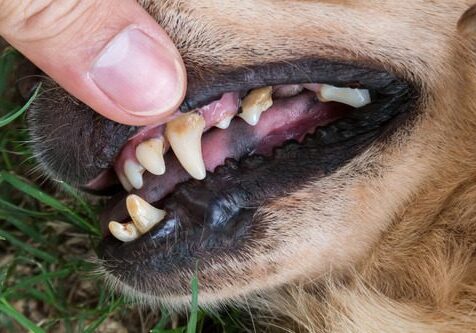
When your dog flashes a smile and you notice brown discoloration on their teeth, it’s natural to feel concerned. You might wonder whether this change is normal, if it’s harmless, or if it signals a deeper issue. Discolored teeth can mean a range of things, from simple staining to more advanced dental disease. In this blog, we’ll help you understand why your dog’s teeth might appear brown, what that could indicate, and what steps to take next. If you’re seeing your dog’s teeth brown and want answers, you’re in the right place.
What Causes Brown Discoloration on a Dog’s Teeth?
Brown teeth in dogs can be caused by a variety of factors, and the root cause isn’t always obvious just by looking. Some discoloration is external and relatively harmless, while other cases point to something more serious. When you notice your dog’s teeth are brown or stained, it’s important to consider several potential causes and how long the discoloration has been present.
Tartar Buildup
One of the most common causes of brown teeth in dogs is tartar. When plaque isn’t removed regularly, it hardens into tartar (also called calculus), which typically appears yellow to brown along the gumline. This buildup traps bacteria and can lead to inflammation, gingivitis, and eventually periodontal disease. Tartar doesn’t just affect appearance. It’s a sign of dental disease progression.
Tooth Trauma or Death
If a single tooth appears brown rather than multiple teeth, this may indicate trauma to that tooth. When a tooth is injured, the inner pulp may bleed or die, changing the color of the enamel. In some cases, a dead tooth may appear grayish, while others turn deep brown. These teeth can remain painful even if your dog shows no signs of discomfort.
Intrinsic vs. Extrinsic Stains
Discoloration can be extrinsic (on the surface) or intrinsic (within the tooth). Surface staining from food, treats, or licking dirty toys may be harmless. However, intrinsic staining can result from medication use, illness, or internal damage. If your dog’s teeth brown and the discoloration doesn’t rub off, it may be intrinsic and require professional evaluation.
How Serious Is It When a Dog’s Teeth Turn Brown?
Not all discoloration means your dog is in pain, but it often signals that something isn’t right. In fact, dogs tend to hide discomfort, even with significant dental problems. Many pets continue to eat, play, and act normally, even when dealing with chronic oral pain. This makes it hard to judge the seriousness of the issue based on behavior alone.
Dental Disease Can Go Undetected
Even when your dog eats as usual, brown teeth can be a sign of periodontal disease. This condition affects the structures supporting the teeth and often goes unnoticed until advanced stages. Brown teeth might be your first visible clue that gum disease is present and progressing.
Infections Can Spread Beyond the Mouth
When tartar buildup leads to gum disease and infection, bacteria can enter the bloodstream. This increases the risk of damage to the heart, kidneys, and liver. So when your dog’s teeth brown and stay that way, it’s more than a cosmetic issue. It could signal broader health concerns.
Why Don’t Dogs Show Obvious Signs of Tooth Pain?
One of the most surprising facts about canine dental health is how stoic dogs can be. Most pet owners expect to see changes in appetite, vocalizations, or behavior when a pet is in pain. However, dogs often mask signs of oral discomfort until the pain becomes extreme.
Dogs Instinctively Hide Pain
In the wild, showing signs of pain or weakness can put an animal at risk. This instinct still exists in our pets today. So even if your dog’s teeth brown and there’s underlying pain, they may act completely normal until the issue is severe.
Pain Doesn’t Always Change Eating Habits
A common myth is that if a dog is eating, they must not be in pain. In reality, many dogs with significant dental disease continue to eat, even if it hurts. They may chew on one side of the mouth or swallow food whole to avoid discomfort, but these subtle adjustments often go unnoticed.
Common Signs to Watch for Alongside Brown Teeth
Although your dog may not show clear signs of pain, there are still some clues that something may be wrong. If your dog’s teeth look brown and you notice any of the following, it’s time to schedule a dental evaluation.
Behavioral and Physical Symptoms
- Bad breath that worsens over time
- Red, swollen, or bleeding gums
- Drooling or pawing at the mouth
- Avoiding chew toys or hard treats
- Irritability or reluctance to be touched near the face
- One-sided chewing or favoring a certain side
These signs, combined with visible discoloration, suggest a dental issue that needs to be addressed by a veterinary dentist.
Why Professional Dental Care Is the Right Choice
If you notice your dog’s teeth brown or stained, your first instinct might be to look for cleaning products or in-home remedies. While it’s tempting to try to manage the issue yourself, only a professional can determine whether the discoloration is harmless or tied to a deeper dental concern.
Safe Assessment and Treatment
Veterinary dentists have the tools and training to evaluate your dog’s oral health fully. At Missoula Veterinary Dentistry & Oral Surgery, our team uses advanced diagnostics to look beneath the gumline, assess tooth vitality, and detect hidden disease. When your dog’s teeth are brown, it’s not just about cleaning. It’s about identifying and treating what caused the change in the first place.
Routine Cleanings and Ongoing Monitoring
Professional dental cleanings under anesthesia allow for a complete evaluation and safe removal of tartar, especially below the gumline where problems begin. We recommend regular dental checkups to monitor changes in your pet’s teeth, gums, and jaw. Early detection means fewer complications and more comfortable outcomes.
When to Call for an Appointment
If you’ve spotted your dog’s teeth brown or changing in color, the best step is to schedule a dental consultation. Early attention can prevent discomfort, infection, and tooth loss. Whether the issue is simple staining or something more serious, our team is here to help. We invite you to contact Missoula Veterinary Dentistry & Oral Surgery at (406) 550-3790 to schedule a consultation. Our dental specialists are dedicated to protecting your dog’s oral health and helping you understand what’s happening beneath the surface.
What Your Dog’s Teeth May Be Telling You
Brown teeth in dogs can be more than a cosmetic issue, they may be your first warning sign of deeper oral or systemic health concerns. While some staining is harmless, long-term discoloration or sudden changes deserve attention. By paying close attention to the color and condition of your dog’s teeth, you can catch problems early and help preserve their comfort and overall health.
Your dog’s dental health is directly tied to their quality of life. If you’re seeing your dog’s teeth brown or notice other signs of concern, reach out today. The team at Missoula Veterinary Dentistry & Oral Surgery is here to support you with advanced care and personalized guidance. Call us at (406) 550-3790 to schedule your pet’s dental evaluation.
Recent Posts
About Us
Missoula Veterinary Denistry & Oral Surgery provides advanced dental care that transforms pets’ lives through preventive cleanings, complex surgeries, and compassionate expertise. From Missoula to communities across Montana, Idaho, Washington, and even Canada, we’re proud to help pets live healthier, more comfortable lives.