
Why Is My Cat Bleeding From the Mouth?
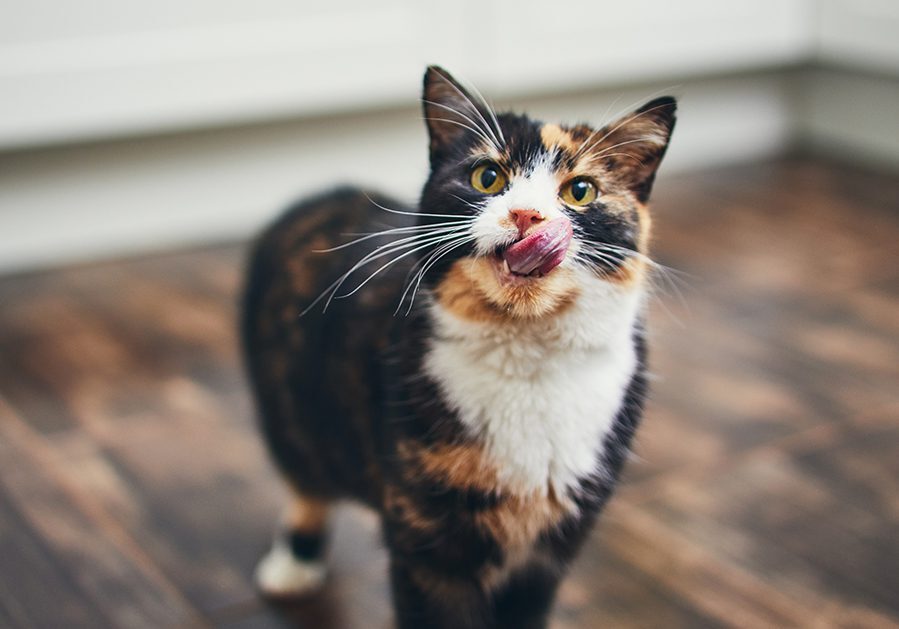
A cat bleeding from the mouth is most often dealing with a dental problem such as gum disease, tooth resorption, or a broken tooth, but the bleeding can also come from oral injuries, inflammatory conditions, tumors, foreign objects, or a clotting disorder. Because some of these causes are urgent, any oral bleeding in a cat deserves a prompt call to your veterinarian.
Spotting blood on your cat’s food bowl, water dish, or favorite toy can be alarming. Cats are masters at hiding pain, so a bit of blood is sometimes the first clue that something has been wrong for a while. In other cases, bleeding appears suddenly after a fall, a fight, or an encounter with something sharp. At Missoula Veterinary Dentistry in Missoula, MT, we help cat owners get to the bottom of oral bleeding with a careful exam and the right diagnostics. Here we’ll walk through the most common reasons a cat is bleeding from the mouth, how to tell whether the situation is an emergency, and what to expect when your cat visits a veterinary dental team.
What Causes a Cat to Bleed From the Mouth?
Oral bleeding in cats has a wide range of possible sources. Some are slow, chronic problems, while others happen in an instant.
Dental and Gum Disease
The most frequent reason for a cat bleeding from the mouth is disease affecting the teeth and gums. Several conditions are especially common in cats:
- Periodontal disease: inflamed, infected gums that bleed easily when a cat eats or grooms
- Tooth resorption: a painful process in which the body breaks down tooth structure, often leaving raw, bleeding tissue at the gumline
- Feline chronic gingivostomatitis: a severe inflammatory condition that causes red, ulcerated tissue throughout the back of the mouth
- Fractured teeth: broken canines or cheek teeth that expose sensitive inner tissue
Gum and tooth problems tend to cause slow, intermittent spotting rather than heavy bleeding. You might notice pink-tinged drool, small red smears on a toy, or a faint tint in the water bowl. Because these changes are so subtle, a cat bleeding from the mouth because of dental disease can go unnoticed for weeks.
Injuries, Growths, and Other Causes
Trauma is another common source. Falls from windows or balconies, car accidents, and fights with other animals can fracture the jaw, split the hard palate, or lacerate the tongue. Foreign objects, including string, thread, and fish hooks, sometimes wrap around the base of the tongue and cut into the tissue. Oral tumors, particularly squamous cell carcinoma, can ulcerate and bleed as they grow.
Less often, a cat bleeding from the mouth has a problem that starts elsewhere in the body. Kidney disease can cause painful ulcers in the mouth, viral infections such as calicivirus can produce sores on the tongue and palate, and exposure to certain rodent poisons can interfere with normal blood clotting.
Is Bleeding From the Mouth an Emergency for Cats?
Sometimes it is. The amount of blood, how suddenly it appeared, and your cat’s overall behavior all help determine how quickly your cat needs care. When in doubt, call your veterinarian or an emergency clinic right away.
Signs That Need Immediate Care
Seek emergency veterinary attention if your cat is bleeding from the mouth along with any of the following:
- Bleeding that is heavy, steady, or doesn’t slow down within a few minutes
- Difficulty breathing, open-mouth breathing, or pale gums
- A recent fall, car accident, or fight
- A jaw that hangs open, looks crooked, or won’t close properly
- String or thread visible under the tongue or trailing from the mouth
- Possible exposure to rodent bait or other toxins
- Weakness, collapse, or bleeding from other areas such as the nose or in the urine
If you see string or another object in your cat’s mouth, contact your veterinarian rather than attempting to remove it yourself. Pulling on a lodged object can cause serious internal injury.
When a Prompt Appointment Is Appropriate
Light, occasional spotting on toys or food bowls is less likely to be an immediate crisis, but it still signals a problem that needs attention. A cat bleeding from the mouth in small amounts, especially alongside bad breath, drooling, or reluctance to eat, often has painful dental disease. Schedule an exam within a few days rather than waiting to see if it resolves. Cats rarely show how much discomfort they’re in, so even minor bleeding may represent significant pain.
How Is the Cause of Oral Bleeding Diagnosed and Treated in Cats?
Pinpointing why a cat is bleeding from the mouth requires a methodical approach. Our team at Missoula Veterinary Dentistry combines a physical exam, lab work, and a detailed look inside the mouth to find the source.
The Diagnostic Workup
Your veterinarian begins with a full physical exam and a review of your cat’s history, including any recent injuries, changes in appetite, or possible toxin exposure. Bloodwork can reveal kidney disease, infection, or clotting problems that might explain the bleeding. Most cats then need an oral exam under anesthesia, since a stressed or painful cat won’t allow a close look at the back of the mouth. While your cat is asleep, our team probes each tooth, takes full-mouth dental X-rays, and examines the tongue, palate, and throat. If a growth or unusual tissue is found, a biopsy confirms what it is.
Treatment Depends on the Cause
Once the source is identified, treatment can be targeted. Cats with periodontal disease typically need a thorough cleaning below the gumline, and teeth affected by advanced disease or resorption are usually extracted to relieve pain. Stomatitis often responds best to extraction of many or all of the cheek teeth, sometimes along with medications prescribed by your veterinarian. Jaw fractures and palate injuries may require surgical repair, wiring, or splinting. Oral tumors are typically removed surgically and may involve referral to a veterinary oncologist. Bleeding caused by toxins or systemic illness is managed by treating the underlying condition.
Most cats recover remarkably well after oral treatment. Many owners notice their cat eating more eagerly, grooming more often, and acting more social once a painful mouth is addressed.
Can Oral Bleeding in Cats Be Prevented?
Not every cause can be avoided, but regular dental care and a few household precautions reduce the chances of finding your cat bleeding from the mouth.
Routine Dental Care
Annual oral exams allow your veterinary team to catch gum disease, resorptive lesions, and early growths before they bleed or cause significant pain. Many cats benefit from a professional cleaning and dental X-rays every year or two, depending on their age and dental history. Your veterinarian can also recommend home care options that fit your cat’s temperament.
A Safer Home Environment
Securing window screens helps prevent high-rise falls, which are a frequent cause of jaw and palate injuries in cats. Storing string, yarn, ribbon, sewing thread, and fishing gear out of reach reduces the risk of a dangerous foreign object. Keeping rodent baits in areas your cat can’t access, or choosing pest control methods that don’t involve poison, lowers the risk of a clotting emergency. These small steps won’t eliminate every risk, but they make it far less likely you’ll discover your cat bleeding from the mouth after an accident at home.
Find Answers for Your Cat’s Oral Bleeding in Missoula
A cat bleeding from the mouth is telling you something important, even if the bleeding seems minor. Whether the cause turns out to be a painful tooth, an inflamed mouth, an injury, or a growth, a thorough evaluation is the fastest path to relief. Acting quickly often means simpler treatment and a more comfortable cat.
Missoula Veterinary Dentistry diagnoses and treats oral conditions in cats throughout Missoula and western Montana, from tooth resorption and stomatitis to jaw injuries and oral masses. We’ll explain our findings, share your cat’s dental X-rays with you, and recommend a plan tailored to your cat. If your cat is bleeding from the mouth, call us at (406) 550-3790 to schedule an evaluation or ask about a referral from your family veterinarian.
Recent Posts
About Us
Missoula Veterinary Denistry & Oral Surgery provides advanced dental care that transforms pets’ lives through preventive cleanings, complex surgeries, and compassionate expertise. From Missoula to communities across Montana, Idaho, Washington, and even Canada, we’re proud to help pets live healthier, more comfortable lives.