How Do Veterinary Dentists Treat Advanced Periodontal Disease in Dogs?
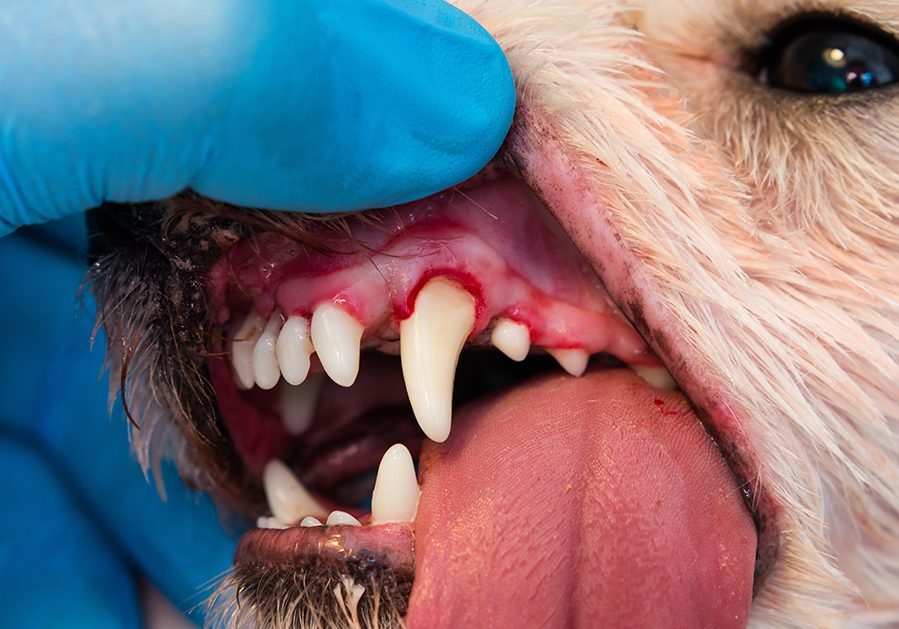
Veterinary dentists treat advanced periodontal disease in dogs with a thorough cleaning above and below the gumline under anesthesia, followed by targeted therapies such as root planing, periodontal surgery, local antibiotic gels, and bone grafting when a tooth can still be saved. Teeth that have lost too much support are extracted to relieve pain and remove the source of infection.
Periodontal disease in dogs is the most common health problem veterinarians diagnose in adult patients, and a majority of dogs show at least some signs by the time they reach middle age. In its early stages, the condition is mild and reversible. Once it advances, however, bacteria destroy the gum tissue, ligaments, and bone that hold each tooth in place. The result is chronic pain, infection, and eventually tooth loss. At Missoula Veterinary Dentistry in Missoula, MT, we see many dogs whose periodontal disease has progressed beyond what a routine cleaning can address. This article explains how to recognize the advanced stages, what treatment options exist, and when saving a tooth is a realistic goal.
What Are the Signs of Advanced Periodontal Disease in Dogs?
Advanced periodontal disease in dogs often develops quietly over years, so the signs can be easy to overlook until the damage is significant. Knowing what to watch for helps you seek care sooner.
How the Disease Progresses
Veterinarians grade periodontal disease in dogs on a scale from Stage 1 to Stage 4. Stage 1 involves gum inflammation without bone loss. By Stage 2, up to a quarter of the tooth’s supporting structure is gone. Stage 3 means a quarter to half of that support has been lost, and Stage 4 indicates more than half has been destroyed. Stages 3 and 4 are considered advanced, and teeth at these levels often become loose or develop deep infected pockets.
Changes You May Notice at Home
Advanced periodontal disease in dogs often shows up as some combination of the following:
- Persistent, foul breath that doesn’t improve with time
- Red, swollen, or receding gums that may bleed easily
- Heavy brown or gray tartar coating the teeth
- Loose, shifting, or missing teeth
- Pus along the gumline or nasal discharge on one side
- Reluctance to chew hard food or toys, or dropping kibble while eating
- Swelling below the eye, often linked to infected upper teeth
Some dogs show none of these signs, even with serious disease. Small and toy breeds, such as Yorkies, Maltese, and Chihuahuas, are especially prone to aggressive periodontal disease and may lose bone around the lower front teeth and jaw quickly. Advanced cases in these breeds can weaken the lower jaw enough to raise the risk of fracture.
Effects Beyond the Mouth
The impact of periodontal disease in dogs isn’t limited to the teeth and gums. Infected pockets give bacteria a direct route into the bloodstream, and studies have found associations between oral disease and changes in the kidneys, liver, and heart. Chronic inflammation can also leave a dog feeling tired, irritable, or less interested in play. Because these effects build slowly, many owners attribute them to normal aging until treatment brings a noticeable change in energy and appetite.
How Do Veterinary Dentists Approach Treatment?
Treating periodontal disease in dogs always begins with a complete oral exam under anesthesia, including probing around every tooth and full-mouth dental X-rays. These findings show exactly how much support remains and shape the treatment plan for each tooth individually.
Deep Cleaning and Root Planing
The foundation of periodontal therapy is removing plaque and tartar from both the visible crown and the root surfaces hidden below the gumline. Root planing smooths the root so that gum tissue has a clean surface to reattach to. For teeth with moderate pockets, this step alone can sometimes halt further damage.
Periodontal Surgery
When pockets are too deep to clean effectively from above, a veterinary dentist may perform open flap surgery. The gum tissue is gently lifted to expose the root and bone, allowing thorough cleaning under direct view. In select cases, bone graft material or a protective barrier membrane is placed to encourage the body to rebuild lost support. This approach, known as guided tissue regeneration, works best on specific types of bone defects in otherwise strong teeth.
Local Antimicrobial Therapy
After cleaning, some pockets benefit from a slow-release antibiotic gel placed directly into the space between the gum and tooth. The medication targets bacteria at the site of infection and supports healing over the following weeks.
Can Advanced Periodontal Disease Be Treated Without Tooth Extraction?
In many cases, yes. Advanced periodontal disease in dogs doesn’t automatically mean every affected tooth must come out, but saving a tooth depends on several factors working in its favor.
When Saving a Tooth Is Possible
A veterinary dentist weighs each tooth’s condition before recommending treatment. Teeth are more likely to be saved when:
- Enough bone remains to keep the tooth stable
- The tooth shows little or no mobility
- The bone loss pattern responds well to regenerative techniques
- The tooth plays an important role in chewing, such as the large canines or carnassial teeth
- The owner can commit to daily home care and regular rechecks
When Extraction Is the Kinder Choice
Some teeth simply can’t be rescued. A tooth that is very loose, has lost most of its supporting bone, or has infection extending around the root tip will continue to cause pain no matter how carefully it’s cleaned. Removing these teeth eliminates a constant source of bacteria and discomfort. Owners are often surprised by how much more energetic and playful their dogs become after diseased teeth are removed. Dogs adapt remarkably well and can eat comfortably with fewer teeth.
The decision is rarely all or nothing. Many plans for advanced periodontal disease in dogs combine periodontal therapy for salvageable teeth with extraction of those beyond repair, giving the dog a healthier mouth overall.
What Happens After Periodontal Treatment?
Periodontal disease in dogs is a chronic condition, so treatment is the beginning of ongoing management rather than a one-time fix. The bacteria that cause the disease return quickly, which makes follow-up care essential.
Rechecks and Ongoing Monitoring
Your veterinary dentist will typically schedule a recheck to evaluate healing, particularly after surgery or bone grafting. Dogs treated for advanced periodontal disease often need professional cleanings and X-rays more often than the average pet, sometimes every six months. Comparing radiographs over time shows whether bone levels are stable or whether new areas need attention.
Partnering on Home Care
Consistent home care is one of the most effective tools for slowing periodontal disease in dogs once professional treatment is complete. Daily plaque control makes a major difference in how long treated teeth last. Your veterinary team will recommend home care products suited to your dog’s mouth and show you how to use them. Products accepted by the Veterinary Oral Health Council (VOHC) have been tested for plaque or tartar reduction and can be a helpful starting point when discussing options. Routines work best when they’re introduced gradually and paired with praise, so ask your veterinary team for tips on building a habit your dog actually enjoys.
Expert Periodontal Care for Dogs in Missoula
Periodontal disease in dogs doesn’t have to mean a lifetime of pain or a mouth full of extractions. With a thorough evaluation and the right combination of treatments, many dogs keep more of their teeth and feel dramatically better. The earlier advanced disease is addressed, the more options remain available.
Missoula Veterinary Dentistry provides advanced periodontal care for dogs throughout Missoula and western Montana, from deep cleaning and root planing to periodontal surgery and bone grafting. We’ll review your dog’s X-rays with you, explain which teeth can be saved, and build a plan that fits your dog’s needs and your family’s goals. To schedule an evaluation for periodontal disease in your dog or ask about a referral, call us at (406) 550-3790.
Recent Posts
About Us
Missoula Veterinary Denistry & Oral Surgery provides advanced dental care that transforms pets’ lives through preventive cleanings, complex surgeries, and compassionate expertise. From Missoula to communities across Montana, Idaho, Washington, and even Canada, we’re proud to help pets live healthier, more comfortable lives.