Why Are My Cat’s Teeth Falling Out?
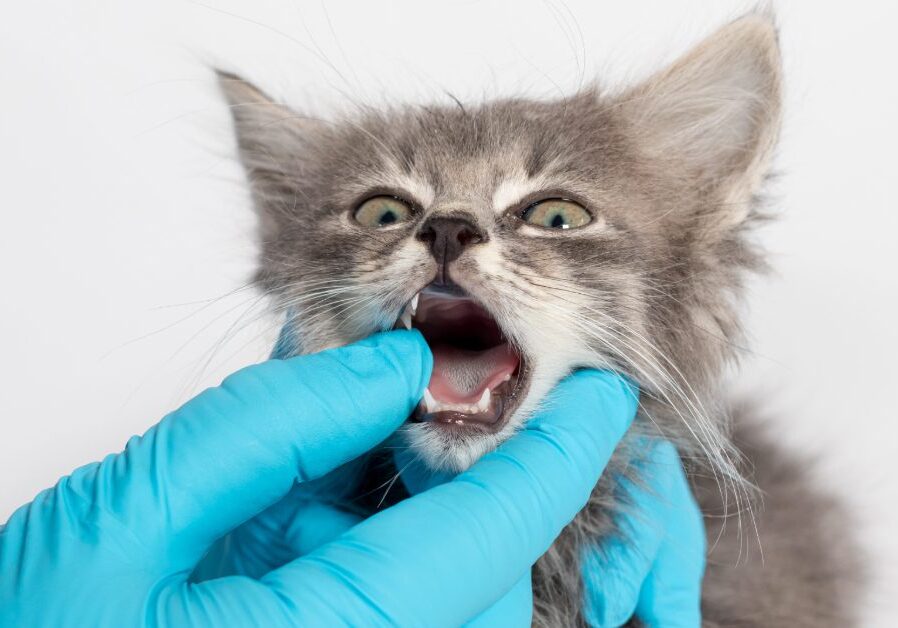
Cats’ teeth falling out is not a normal part of aging and if your adult cat is losing teeth, something is wrong that deserves veterinary attention. While kittens naturally lose their baby teeth, adult cats should retain their permanent teeth throughout their lives. Tooth loss in cats is almost always the result of an underlying oral health condition that has been progressing, often painfully, for some time. If you have noticed a missing tooth, found a tooth around the house, or spotted loose teeth in your cat’s mouth, here is what you need to know.
Is It Normal for a Cat’s Teeth to Fall Out?
It depends entirely on the cat’s age. Kittens losing teeth between the ages of three and six months are simply going through the normal process of shedding their deciduous (baby) teeth to make way for permanent adult teeth. This is completely expected and usually goes unnoticed by owners.
Adult cats losing teeth, however, is not normal. If your adult cat’s teeth are falling out, it is a sign that significant dental or oral disease is present. Tooth loss in adult cats should always prompt an evaluation by a veterinary dental specialist.
What Causes Cats’ Teeth to Fall Out?
There are several conditions that cause tooth loss in cats. Understanding these helps explain why early detection and treatment matter so much.
Periodontal Disease
Periodontal disease is a progressive infection and inflammation of the structures supporting the teeth, including the gums and bone. It starts with plaque accumulation on the teeth, which leads to tartar buildup and gingivitis. Left untreated, gingivitis advances to periodontitis, where the bone and connective tissue anchoring the teeth are destroyed. When enough support is lost, the tooth becomes loose and eventually falls out. Because periodontal disease develops gradually and cats hide pain well, owners often do not realize there is a problem until teeth are already falling out.
Feline Tooth Resorption
Feline tooth resorption (TR) is one of the most common and most painful dental conditions in cats, affecting a significant percentage of adult cats. In this condition, cells called odontoclasts, which are normally responsible for resorbing baby teeth, begin attacking and destroying the structure of permanent teeth. The lesions often start at the gumline, making them difficult to spot without a thorough oral examination and dental imaging.
Tooth resorption causes severe pain, and as the destruction progresses, the tooth structure weakens until it breaks apart or falls out. Cats with tooth resorption often show subtle changes in behavior like eating more slowly, favoring one side of the mouth, or avoiding hard food, long before the tooth is visibly affected.
Stomatitis
Feline stomatitis is a severe, painful inflammatory condition affecting the entire oral cavity. In cats with stomatitis, the immune system reacts abnormally to the presence of plaque bacteria, causing intense inflammation throughout the mouth. Affected cats may be unable to eat comfortably, lose weight, and experience significant tooth loss as the disease progresses. Treatment often involves full-mouth tooth extraction in severe cases, which (while it sounds dramatic) is frequently the most effective way to eliminate the source of inflammation and dramatically improve quality of life.
Trauma
Physical trauma such as from a fall, accident, or animal altercation can fracture or dislodge teeth. Even if a tooth is not immediately lost, trauma can damage the roots or surrounding structures in ways that lead to eventual tooth loss. Any suspected oral trauma warrants prompt veterinary evaluation.
Signs That Your Cat’s Teeth May Be Loose or at Risk
Because cats conceal dental pain instinctively, tooth loss may be the first sign an owner notices of a problem that has been developing for months or years. Watch for these warning signs before teeth reach the point of falling out:
- Bad breath that has worsened or does not improve
- Reluctance to eat, especially hard food or crunchy treats
- Dropping food while eating or chewing on one side only
- Excessive drooling, especially if tinged with blood
- Pawing at the face or mouth
- Weight loss or decreased appetite
- Visible redness, swelling, or bleeding along the gumline
What Happens When a Cat’s Tooth Falls Out on Its Own?
When a cat’s tooth falls out due to periodontal disease or tooth resorption, the root is not always expelled with it. Retained root fragments can continue to cause pain, infection, and inflammation. This is why a veterinary dental examination, including cone beam computed tomography (CBCT), is essential even after a tooth has already been lost. This imaging allows your veterinary dentist to assess whether any root material remains and whether the surrounding bone has been damaged.
Can a Cat Live Comfortably Without Teeth?
Yes, many cats live very comfortably after having diseased teeth extracted. In fact, most cats with significant dental disease feel dramatically better after the painful teeth are removed. Cats can eat wet food, and many even manage dry food, with few or no teeth. A healthy, pain-free mouth with missing teeth is far preferable to a mouth full of painful, diseased ones.
How Are Tooth Loss Conditions in Cats Treated?
Treatment depends on the underlying cause and how advanced the disease is. One of our board-certified veterinary dentists at Missoula Veterinary Dentistry & Oral Surgery will perform a comprehensive oral examination under anesthesia, take full-mouth imaging with our CBCT, and develop a treatment plan specific to your cat.
Common treatments include professional dental cleaning, tooth extraction of diseased or non-salvageable teeth, and supportive care for the gums and surrounding tissue. At Missoula Veterinary Dentistry & Oral Surgery, our team provides advanced diagnostic and surgical care for cats experiencing tooth loss from any cause. Early treatment almost always leads to better outcomes and a faster return to comfort for your cat.
What to Do If Your Cat Is Losing Teeth
If you have found a tooth, noticed a gap in your cat’s smile, or observed any of the signs described above, do not wait to seek care. Tooth loss in adult cats signals underlying disease that is causing your cat pain, even if they are not showing it. A specialist evaluation is the first step toward understanding what is happening and getting your cat the relief they need.
Call Missoula Veterinary Dentistry & Oral Surgery at (406) 550-3790 today to schedule an appointment. Our team has the expertise, equipment, and compassion to diagnose the cause of your cat’s tooth loss and design a care plan that prioritizes your cat’s comfort and long-term oral health.
Recent Posts
About Us
Missoula Veterinary Denistry & Oral Surgery provides advanced dental care that transforms pets’ lives through preventive cleanings, complex surgeries, and compassionate expertise. From Missoula to communities across Montana, Idaho, Washington, and even Canada, we’re proud to help pets live healthier, more comfortable lives.