
Mouth Tumors in Cats: Causes, Signs, and Treatment
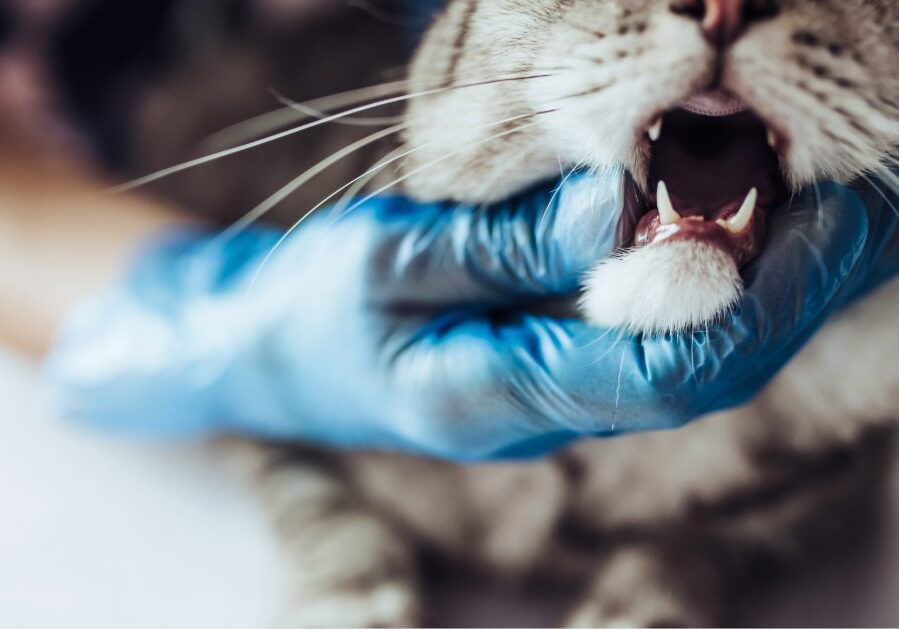
Mouth tumors in cats are among the most serious and frequently overlooked oral health conditions in feline patients. Oral tumors in cats can grow quickly, cause significant pain, and (depending on the type) spread to other areas of the body. Because cats are experts at hiding discomfort, many mouth tumors go undetected until they are well advanced. At Missoula Veterinary Dentistry & Oral Surgery, we’re here to help you understand the types of oral tumors in cats, what causes them, and what treatment options exist to help you advocate for your cat’s health before a small problem becomes a large one.
What Are Mouth Tumors in Cats?
A mouth tumor in a cat is an abnormal growth of tissue within the oral cavity, which includes the gums, tongue, palate, tonsils, lips, and the bone of the jaw. These growths can be benign (non-cancerous) or malignant (cancerous), though unfortunately the majority of oral tumors found in cats are malignant.
How Common Are Oral Tumors in Cats?
Oral cancer is the fourth most common cancer in cats, and it accounts for a significant percentage of all tumors diagnosed in feline patients. Middle-aged to older cats are most commonly affected, though oral tumors can occur in cats of any age. Male cats appear to be diagnosed at slightly higher rates than females.
Types of Oral Tumors Found in Cats
There are several types of tumors that can develop in a cat’s mouth. The type of tumor influences how aggressively it grows, whether it has spread, and what treatment options are available.
Squamous Cell Carcinoma
Squamous cell carcinoma (SCC) is by far the most common malignant oral tumor in cats, accounting for the large majority of feline oral cancer diagnoses. Squamous cell carcinoma in cats is highly aggressive as it invades surrounding bone rapidly and has a poor prognosis, especially when diagnosed at an advanced stage. SCC can develop anywhere in the oral cavity, but it is commonly found under the tongue or along the gumline.
Fibrosarcoma
Fibrosarcoma is another malignant tumor that develops from fibrous connective tissue in the mouth. It tends to be locally invasive and destructive to surrounding bone, though it spreads to distant organs less frequently than some other cancers. Fibrosarcoma is the second most common oral tumor in cats.
Other Types of Feline Oral Tumors
Less common types of mouth tumors in cats include:
- Lymphoma — a cancer of the lymphatic system that can affect oral tissues
- Melanoma — a tumor arising from pigment-producing cells, though less common in cats than in dogs
- Osteosarcoma — a malignant tumor of the bone of the jaw
- Epulides — benign gum growths that, while not cancerous, can cause discomfort and complications if not treated
What Causes Mouth Tumors in Cats?
The exact causes of oral tumors in cats are not fully understood, though several factors are thought to contribute to their development.
Environmental and Lifestyle Risk Factors
Research has suggested a potential link between secondhand smoke exposure and an increased risk of oral squamous cell carcinoma in cats. Because cats groom themselves frequently, carcinogens deposited on their fur from cigarette smoke may be ingested and come into prolonged contact with the tissues of the mouth. Flea collar use and certain dietary factors have also been studied as possible contributing elements.
Chronic Inflammation
Chronic oral inflammation such as that caused by ongoing dental disease or stomatitis may create an environment in which abnormal cell changes are more likely to occur. This is one more reason why regular dental care and early treatment of oral conditions matters for your cat’s long-term health.
Signs of a Mouth Tumor in a Cat
Because cats instinctively conceal pain, owners often do not notice the signs of an oral tumor until the growth is already significant. Knowing what to look for makes early detection more possible. Watch for:
- Unexplained weight loss or decreased appetite
- Difficulty chewing, swallowing, or dropping food from the mouth
- Excessive drooling, sometimes mixed with blood
- Bad breath that worsens suddenly or does not respond to dental care
- Visible swelling in or around the mouth or jaw
- Facial asymmetry or a lump you can see or feel
- Pawing at the face or mouth repeatedly
- Loose teeth without obvious dental disease as a cause
If you notice any of these signs, contact Missoula Veterinary Dentistry & Oral Surgery as soon as possible. When it comes to feline oral tumors, time matters.
How Are Oral Tumors in Cats Diagnosed?
Diagnosing a mouth tumor in a cat requires more than a visual exam. A definitive diagnosis depends on a biopsy, which is a sample of tissue taken from the growth and examined by a veterinary pathologist. Imaging studies such as dental X-rays or CT scans are also essential for evaluating how far the tumor has invaded into the bone and surrounding structures and whether it has spread to the lymph nodes or beyond. At Missoula Veterinary Dentistry & Oral Surgery, the diagnostic process is thorough and is designed to give Missoula pet owners the most complete picture possible before any treatment decisions are made.
Treatment Options for Mouth Tumors in Cats
Treatment for an oral tumor in a cat depends on the type of tumor, its location, how advanced it is, and the overall health of the patient.
Surgery
Surgical removal is often the first-line treatment for resectable oral tumors. For malignant tumors that have invaded bone, surgery may involve removal of a portion of the jaw. While this sounds significant, cats often adapt remarkably well to jaw surgery and can maintain a good quality of life afterward.
Radiation and Chemotherapy
Radiation therapy and chemotherapy may be used in conjunction with surgery or as standalone treatments in cases where surgery is not possible. A veterinary oncologist is typically involved in developing a multimodal treatment plan for malignant oral tumors.
Living With a Cat Diagnosed With an Oral Tumor
A diagnosis of a mouth tumor in a cat is understandably difficult news for any pet owner to receive. While some feline oral tumors carry a guarded prognosis, particularly squamous cell carcinoma diagnosed at an advanced stage, others are more treatable, especially when caught early. Palliative care focused on pain management and quality of life is also an important option when curative treatment is not pursued.
If your cat has been diagnosed with or is showing signs of an oral tumor, Missoula Veterinary Dentistry & Oral Surgery in Missoula, MT is a resource for expert evaluation, surgical consultation, and compassionate care. Call us at (406) 550-3790 today to speak with our team about your cat’s situation.
Recent Posts
About Us
Missoula Veterinary Denistry & Oral Surgery provides advanced dental care that transforms pets’ lives through preventive cleanings, complex surgeries, and compassionate expertise. From Missoula to communities across Montana, Idaho, Washington, and even Canada, we’re proud to help pets live healthier, more comfortable lives.